
AI-Native Product Design: Built Around the Model
AI-native product design agency. We design experiences where the model is the core interaction: prompt/agent UX, uncertainty states, and latency-aware flows.
What You Need to Know
Most AI features are bolted onto interfaces that were designed for deterministic software: a chat box wedged into a sidebar, a "summarize" button that spins and sometimes lies. AI-native product design starts from the opposite premise: the model is the primary interaction surface, and every screen, state, and control is shaped around what a probabilistic system can and cannot promise. We're a product design studio that designs those experiences for teams building AI-first products, and this page is about the craft of it, not a generic "we do UX" pitch.
The hardest part of designing AI-native product experiences is that the system is non-deterministic and you have to make that feel intentional rather than broken. A traditional form either submits or shows a validation error. A model can be confidently wrong, partially right, slow, rate-limited, or refuse, and the interface has to communicate each of those honestly without eroding trust. We design explicit uncertainty states: confidence framing, "here's what I based this on" provenance, editable rather than final outputs, and graceful degradation when the model is unsure instead of a blank screen or a hallucinated answer presented as fact.
Prompt and agent UX is its own discipline, and getting it wrong is the difference between a product people rely on and a novelty they abandon. A blinking cursor next to "Ask me anything" is the worst onboarding in software: it offloads the entire cognitive burden onto a user who doesn't yet know what the system can do. We design structured entry points: scaffolded prompts, example-driven starts, progressive disclosure of capability, and affordances that teach the model's boundaries through use. For agentic products, we design the harder surface: showing a plan before execution, letting users approve, edit, or interrupt multi-step actions, and making an autonomous run legible enough that a person stays in control of consequential decisions.
Latency is a design material in AI-native products, not an engineering afterthought to hide behind a spinner. A three-second model call feels different depending on whether the interface streams tokens, shows intermediate reasoning, optimistically renders, or simply freezes. We design latency-aware flows: streaming responses that let users start reading before generation finishes, skeleton and partial states that signal progress honestly, cancelation that actually cancels, and interaction patterns that let people keep working while a slower background task completes. The goal is a product that feels responsive even when the underlying model is not.
Human-in-the-loop is where AI products earn the right to be trusted with real work, and it's mostly a design problem. The question is never "automate or not": it's where to place the human, how much to show them, and how to make review fast enough that it doesn't erase the time the AI saved. We design review and correction patterns: inline editing of generated output, diff views for AI-suggested changes, approval gates on irreversible actions, confidence thresholds that route uncertain cases to a person, and feedback capture that quietly improves the system. These patterns are what let a product move from "impressive demo" to something a team runs on daily.
AI-native design also means designing the feedback loop as part of the product, because the model improves through use and the interface is where that data is created. Thumbs up/down is the laziest version of this. We design correction and preference signals into the natural flow of work: accepting, editing, or rejecting outputs in ways that generate high-quality training and evaluation data without turning users into unpaid labelers. Done well, the interface becomes a data flywheel: every interaction makes the underlying model measurably better, which is the durable moat generic AI wrappers never build.
Our engagements are hands-on and shaped by the fact that we also ship the products we design. As an AI MVP studio that has shipped 18+ AI products, our designers work next to the engineers building the model integration, so the interaction patterns we specify are the ones that actually get built: not a Figma file that dies on handoff. We typically work in 2-3 week cycles: interaction audits of an existing AI feature, end-to-end design of a new AI-native flow, or a design system for prompt, agent, and uncertainty patterns your team can extend. You own everything we produce, from the research to the component specs.
If you're searching for an agency that designs AI-native product experiences rather than one that decorates a chatbot, the distinction we care about is craft at the model boundary. Anyone can add a chat panel. The value is in the hundred small decisions about how a probabilistic system presents itself to a human: what it shows when it's unsure, how it hands control back, how it fails, how it earns a second use. That's the work we do, and it's the work that separates AI products people trust from the ones they try once.
What You'll Get
Prompt & Agent UX Design
Structured entry points, scaffolded prompts, and legible multi-step agent flows with approve/edit/interrupt controls
Uncertainty & Error State Design
Confidence framing, provenance, graceful degradation, and human-in-the-loop review patterns that keep trust intact
Latency-Aware Interaction Patterns
Streaming, optimistic rendering, and progress states that make model-driven flows feel responsive
FAQ
What makes product design "AI-native" versus adding AI to an existing product?
AI-native design treats the model as the primary interaction surface and shapes every state around what a probabilistic system can promise: uncertainty, latency, refusal, partial correctness. Bolt-on AI keeps a deterministic interface and drops a chat box or a "generate" button into it. The difference shows up in the hard states: how the product behaves when the model is unsure, slow, or wrong. AI-native products design those states deliberately; bolt-ons usually hide them behind a spinner.
Do you design prompt and agent interfaces, or just static screens?
Both, but the interactive surfaces are the point. We design prompt UX (scaffolded entry points, example-driven starts, capability disclosure) and agent UX (showing a plan before execution, letting users approve, edit, or interrupt multi-step runs, and keeping autonomous actions legible). Static screens matter, but the value in an AI-native product lives in the dynamic interaction between a person and a non-deterministic system, and that's where most of our design effort goes.
How do you handle designing for model outputs that might be wrong or uncertain?
We design explicit uncertainty states rather than presenting every output as final and correct. That includes confidence framing, provenance ("here's what this is based on"), editable-by-default outputs, and human-in-the-loop review for consequential actions. When the model is unsure, the interface degrades gracefully, routing to a person, asking a clarifying question, or showing a partial answer honestly, instead of hallucinating confidently or showing a blank screen.
Can you work with our existing engineering team, or is it design-only?
We work alongside engineering. We're an AI MVP studio with 15+ engineers, so our designers sit next to the people building the model integration and specify interaction patterns that actually get built. That prevents the common failure where a polished design file dies at handoff because it ignored streaming, rate limits, or token-level latency. We can deliver design-only specs and systems, or design and build the flow end to end in the same 2-3 week cycle.
What does a typical AI-native design engagement look like?
Usually one of three shapes, each in a 2-3 week cycle: an interaction audit of an existing AI feature (finding where trust breaks and where latency or uncertainty is mishandled), end-to-end design of a new AI-native flow, or a reusable design system covering prompt, agent, and uncertainty patterns your team can extend. We start with the model boundary, what the system can and can't promise, and design outward from there. You own all research, specs, and components we produce.
How is this different from your AI product development service?
AI product development is the build and engineering offer: architecture, model integration, and shipping production code. This is the design and experience craft: how the product presents a probabilistic model to a human, and the interaction patterns that make it trustworthy and usable. They're complementary. Some clients bring us in for design on top of their own engineering; others want us to design and build together. This page exists because AI-native experience design is a distinct discipline worth doing deliberately, not a byproduct of writing the backend.
Trusted by Global Companies Building AI Products
We've helped startups and enterprises worldwide transform their AI ideas into production-ready MVPs in 2–3 weeks. From fintech platforms to AI assistants, our global MVP development services have launched 18+ AI products serving users across the US, Europe, and Asia.
Portfolio: AI Products Built for Global Startups
From content platforms and AI assistants to analytics dashboards and fintech solutions: see how we've transformed ideas into production-ready MVPs in 2-3 weeks across diverse industries. Each product launched successfully, serving users globally.
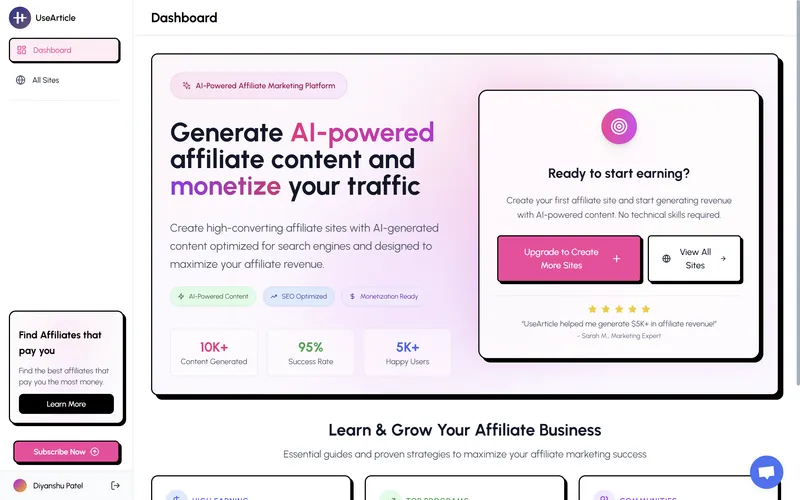
UseArticle
AI-powered content creation and management platform that helps teams produce high-quality articles at scale.
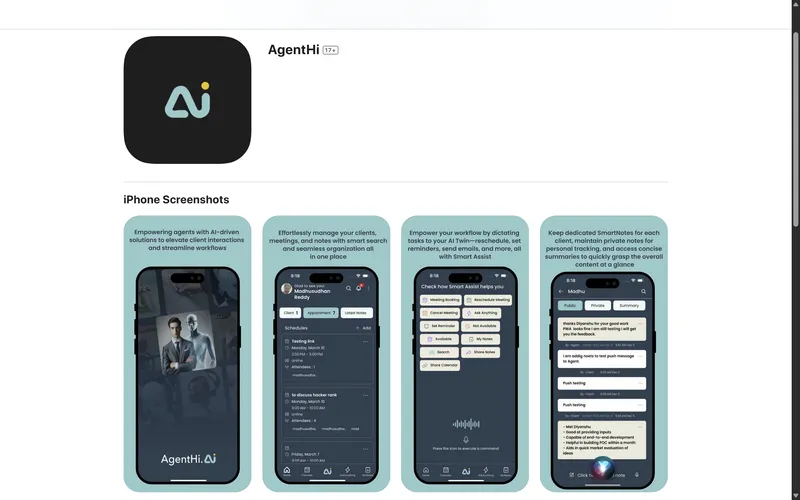
AgentHi
Intelligent virtual assistant that streamlines customer support and automates routine business tasks.
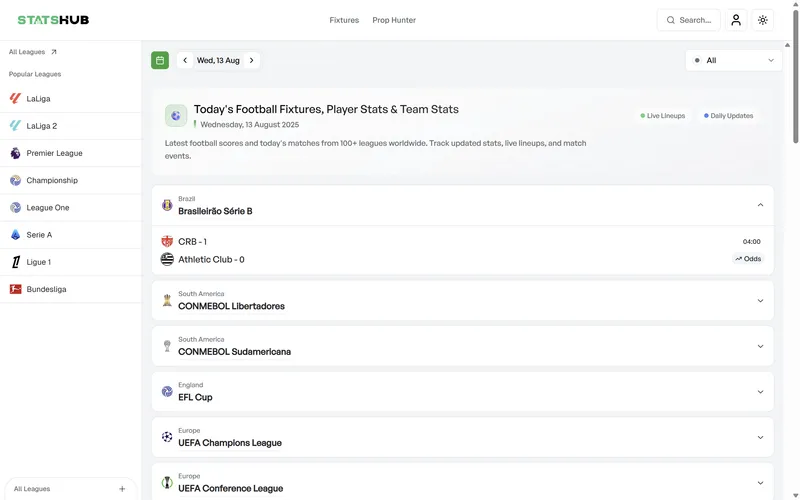
StatsHub
Comprehensive analytics dashboard providing real-time insights and data visualization for businesses.
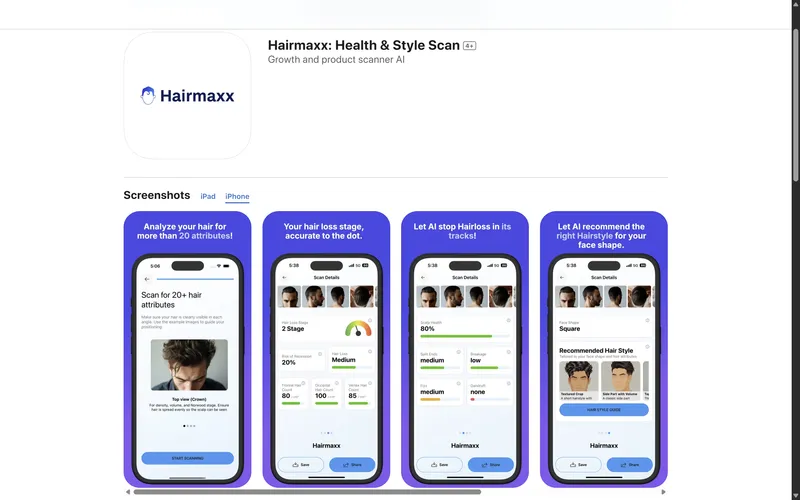
Harimaxx
Personal fitness companion with AI-driven workout plans and nutrition tracking for optimal health.
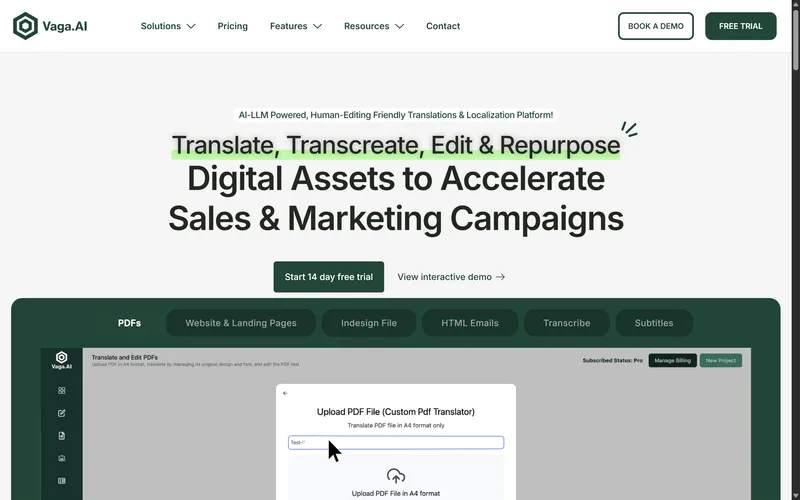
Vaga
Smart travel planning app that curates personalized itineraries and local experiences.
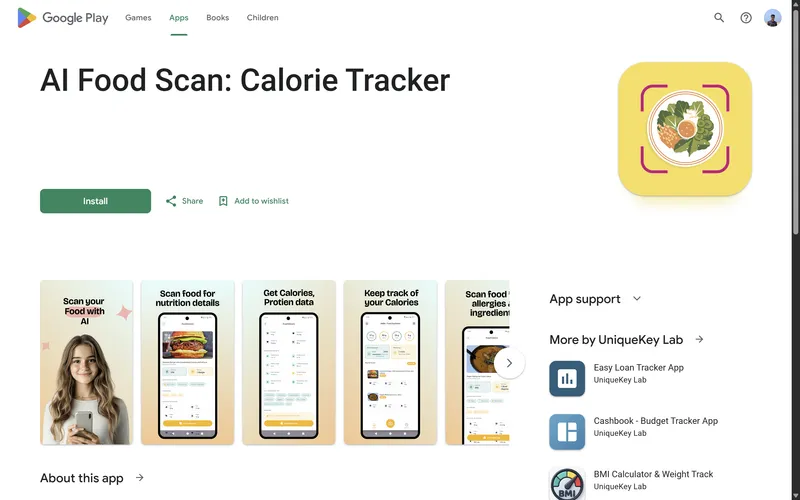
FoodScan
Nutrition analysis app that scans food items and provides detailed nutritional information instantly.
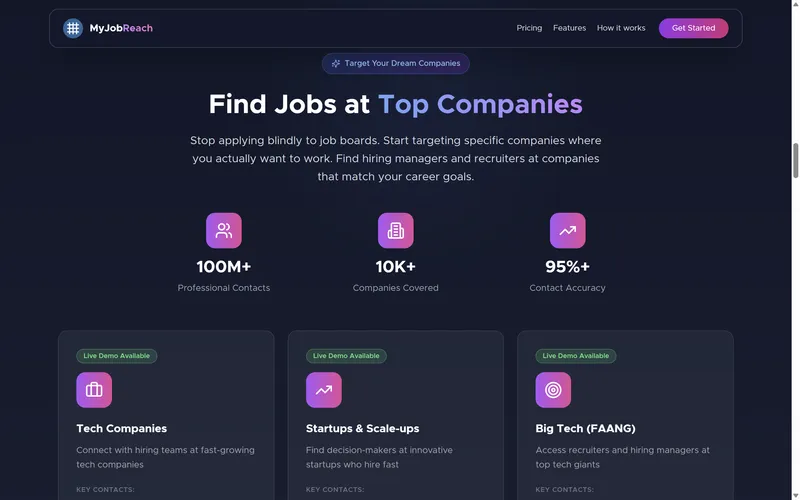
MyJobReach
Job matching platform connecting talented professionals with their dream opportunities.
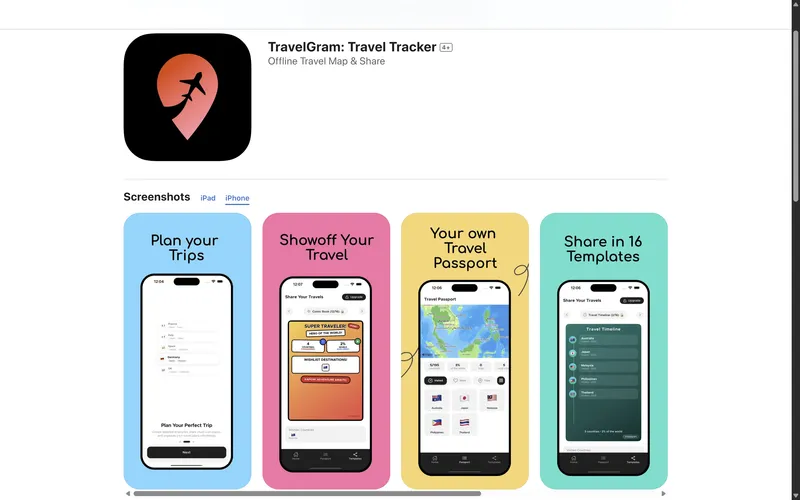
TravelGram
Social platform for travelers to share experiences, discover destinations, and connect globally.
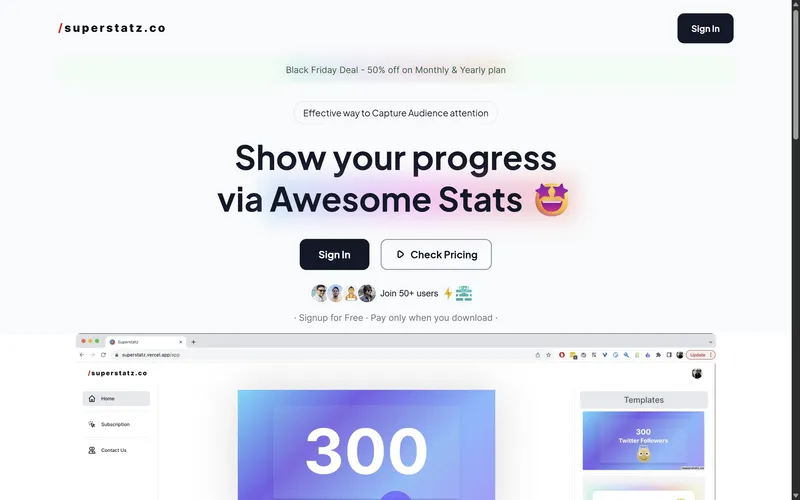
SuperStatz
Advanced sports statistics platform delivering in-depth analysis and performance metrics.
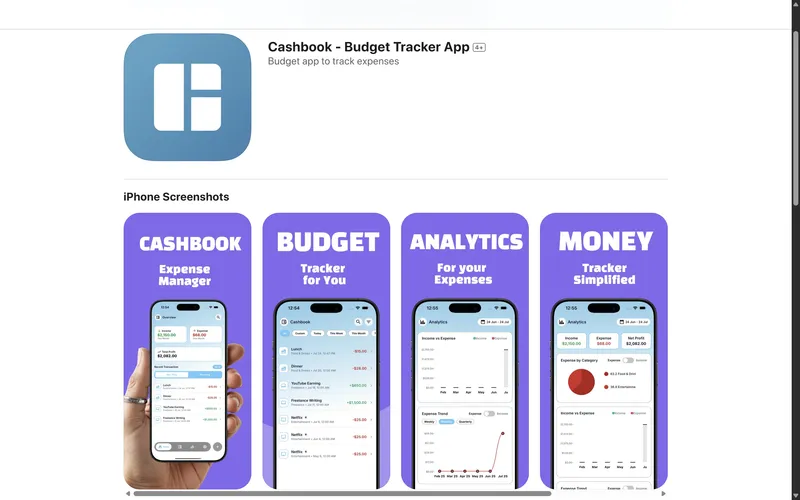
Cashbook
Simple expense tracking and budgeting app that helps users manage their finances effortlessly.
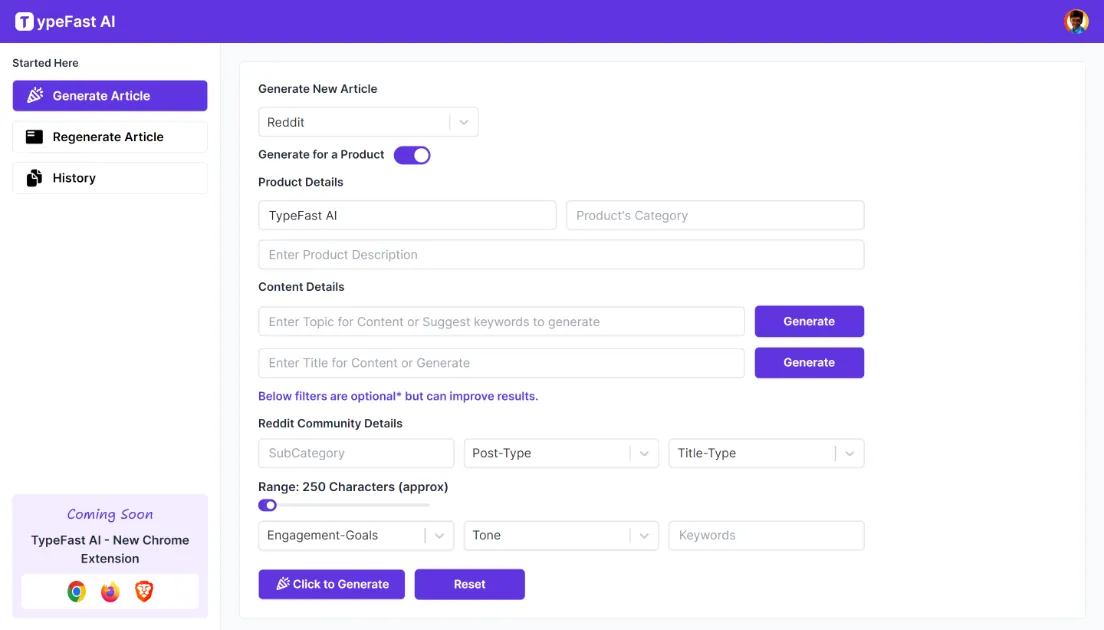
TypeFast
Typing speed improvement platform with gamified lessons and real-time performance tracking.
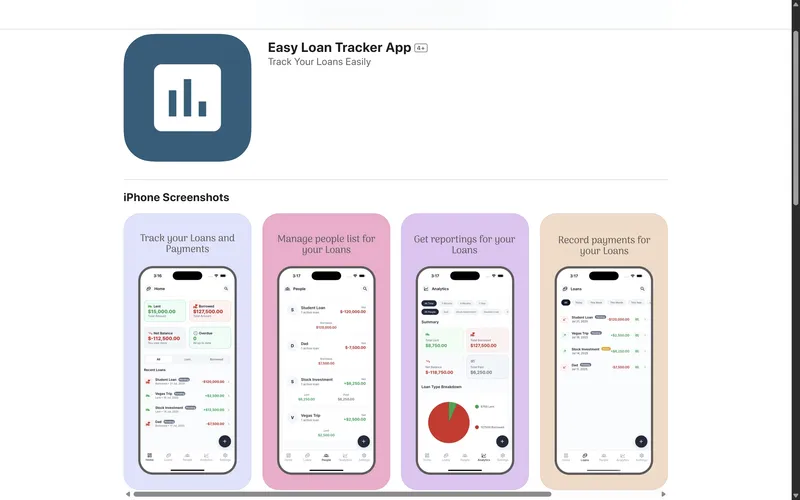
Easy Loan
Streamlined loan management system that simplifies borrowing and lending processes.
Explore Related Content
Discover more services, case studies, and insights
AI MVP Development Services
AI MVP development services for funded startups and enterprise teams in the US, UK, Canada, Australia, and the EU. As an AI MVP development company, we build custom, AI-powered MVPs that ship production-ready, with real LLM integration and full code ownership, priced in USD and delivered in 2-3 weeks.
AI Observability: Monitoring LLM Features in Production
What to log and alert on for an AI feature in production: traces, cost per request, quality drift, and the failure modes standard APM will not catch.
AI Pilot Program: 2-4 Week Prototype to 90-Day Pilot
AI pilot program development for enterprises: a working prototype in 2-4 weeks, a structured 90-day pilot with success metrics, then a clean path to production.
AI Predictive Analytics
Custom AI predictive analytics platforms. Data-driven prediction systems for business intelligence.
AI-Powered MVP Development
Launch a production-ready AI MVP in just 2-3 weeks. Our team blends rapid prototyping with enterprise-grade AI/ML engineering to validate your idea, attract investors, and win early customers.
Design to Code
Turn Figma, Sketch, or Adobe XD designs into production-ready, pixel-perfect code. We bridge the gap between design and engineering, delivering responsive, accessible, and performant front-end code your team can ship immediately.
How AI Agencies Ensure Quality at Speed
How top AI development agencies ship quality, scalable products in 2-3 weeks: senior engineers, AI-assisted workflows with human review, production-grade architecture, and automated testing under real deadlines.
How to Develop an AI-Driven Mobile App
A step-by-step guide to developing an AI-driven mobile app: defining the use case, choosing on-device vs cloud AI, picking your stack, building the model, and shipping.
AI Assistant MVP Cuts Founder Admin Time 78%
A 3-week MVP combining a Gmail/Outlook OAuth pipeline, a thread-aware Claude-backed reply engine, structured tool calls for calendar actions, and a Next.js dashboard. Built with eval-driven prompts so accuracy improvements ship without regressions.
AI Travel Planner Builds Itineraries in 30 Seconds
We built JetPlan AI: an LLM-powered travel planner that generates personalised, day-by-day itineraries with hotel recommendations, activity scheduling, budget tracking, and exportable PDFs.
Ready to Build Your MVP?
Schedule a complimentary strategy session. Transform your concept into a market-ready MVP within 2-3 weeks. Partner with us to accelerate your product launch and scale your startup globally.