
AI MVP Development Companies: How to Compare and Choose (2026)
A criteria-driven guide to comparing AI MVP development companies in 2026: delivery speed, code ownership, team model, and engagement types before you shortlist.
What You Need to Know
Searching for **AI MVP development companies** usually means you are building a shortlist, not buying yet. The market is crowded with three very different kinds of vendor wearing the same label: generalist software agencies that added an "AI" service line, offshore staff-augmentation shops that rent you engineers by the month, and specialist studios that build AI-first products end to end. They price, staff, and deliver so differently that comparing them on headline day-rate alone is misleading. This page gives you the evaluation criteria to tell them apart before you get on a single sales call.
**Delivery speed and what it actually measures.** The most useful signal is not the marketing promise of "fast" but the shape of the engagement. Ask any company on your list to walk you through their last three builds: how long from kickoff to a working, deployed product real users could touch. A genuine MVP shop should be able to describe a scoping phase measured in days and a build measured in weeks, not a discovery phase that bills for a month before code exists. At SpeedMVPs we ship production-ready AI MVPs in 2-3 weeks, and we treat that timeline as a constraint that forces sharp scope, not a discount on quality. When you compare vendors, weight the ones who can name concrete artifacts and dates over the ones who quote a range.
**Code ownership is the criterion most buyers forget to check.** Plenty of AI MVP development companies deliver a working demo while retaining the repository, the deployment keys, or a proprietary wrapper you cannot run without them. That is fine for a throwaway prototype and disastrous for a product you intend to raise on or scale. Put one question in your evaluation checklist: on day one after handoff, do I own 100% of the source code, the model prompts, the infrastructure config, and the accounts it runs on? SpeedMVPs hands over full code ownership by default, but the point of this guide is that you should demand a written answer from every company you compare, and rank down anyone who hedges.
**Team model changes everything about accountability.** There are three common structures. A dedicated pod (a small team that owns your product outcome) gives you the tightest feedback loop but costs more per week. Staff augmentation (individual contractors slotted into your process) is cheaper but pushes architecture and integration risk onto you. A hybrid delivery-plus-advisory model sits between. When you evaluate AI MVP development companies, map each one to its true model regardless of how they brand it, because it determines who is accountable when a model underperforms or a deadline slips. Studios that carry the delivery risk themselves behave very differently from vendors billing hourly.
**Engagement types tell you whether the offer fits your stage.** A pre-seed founder validating an idea needs a fixed-scope, fixed-timeline MVP with a clean handoff. A funded startup extending a live product needs an iterative build with a path to an ongoing retainer. An enterprise piloting AI inside a business unit needs a proof of concept that can survive a security review. Ask each company which of these they do most often. A shop that only builds enterprise pilots will over-engineer a founder's MVP; one that only ships throwaway prototypes will leave an enterprise stranded at procurement. SpeedMVPs is built for the funded-startup and enterprise-pilot end of that range, and we say so plainly rather than claiming to fit everyone.
**AI-specific competence is not the same as software competence.** An MVP that leans on LLMs, retrieval, or agents introduces failure modes a traditional web-app agency has never had to handle: prompt regressions, hallucination in user-facing flows, evaluation of non-deterministic output, token cost that scales with usage, and model-provider lock-in. When you compare companies, ask how they evaluate model quality before shipping, how they handle a provider price change or deprecation, and whether they design a fallback when a model is unavailable. Vague answers here are the clearest way to separate a genuine AI studio from a general agency that renamed its service page.
**How to run the comparison without wasting weeks.** Build a simple scorecard with five columns: delivery timeline (with named examples), code and IP ownership terms, team model, engagement fit for your stage, and AI-specific process. Send the same short brief to three or four companies and compare their answers side by side rather than reacting to whichever pitch is most polished. Watch for two red flags that should override a good score elsewhere: fabricated-sounding metrics with no verifiable source, and reluctance to put ownership and timeline in writing. The goal is a shortlist of two you would actually trust with your product, not a spreadsheet of ten.
**Where SpeedMVPs fits in an honest frame.** We are a specialist AI MVP studio with 15+ engineers who have shipped 18+ AI MVPs, delivering in 2-3 weeks with 100% code ownership on handoff. That makes us a strong fit if you are a funded startup or enterprise team that wants a dedicated pod to carry delivery risk and hand you a product you fully own. We are a weaker fit if you want the cheapest possible contractor by the hour, or a multi-quarter enterprise transformation program. Use the criteria above on us and on everyone else you are considering; a company confident in its work should welcome the comparison, not steer you away from it.
What You'll Get
Vendor Scorecard Criteria
Five side-by-side dimensions to rank any AI MVP shop objectively.
Code Ownership Checklist
The IP, repo, and infra questions to confirm in writing before signing.
Engagement Fit Guide
Match team model and engagement type to your funding stage.
FAQ
What should I compare when evaluating AI MVP development companies?
Compare five things side by side: real delivery timelines with named examples, code and IP ownership terms on handoff, the team model (dedicated pod vs. staff augmentation vs. hybrid), engagement fit for your stage, and AI-specific process such as how they evaluate model quality and handle provider changes. Day-rate alone is misleading because these vendor types price and deliver very differently.
How long should an AI MVP take to build?
A specialist studio should scope in days and build in weeks, not spend a month in discovery before any code exists. SpeedMVPs ships production-ready AI MVPs in 2-3 weeks. When comparing companies, ask each one to walk you through their last few builds from kickoff to a deployed product real users can touch, and weight the ones who can name concrete dates and artifacts.
Why does code ownership matter when choosing a company?
Many companies deliver a working demo while keeping the repository, deployment keys, or a proprietary wrapper you cannot run without them. That is fine for a throwaway prototype but risky for a product you plan to raise on or scale. Ask every vendor whether you own 100% of the source, prompts, infra config, and accounts on day one after handoff, and get the answer in writing.
What is the difference between a dedicated pod and staff augmentation?
A dedicated pod is a small team that owns your product outcome and carries delivery risk, giving a tighter feedback loop at a higher weekly cost. Staff augmentation rents you individual engineers who slot into your process; it is cheaper but pushes architecture and integration risk onto you. Map each company to its true model regardless of branding, because it decides who is accountable when a deadline slips.
How do I know a company can actually build AI products, not just software?
AI MVPs introduce failure modes a general agency may never have handled: prompt regressions, hallucination in user-facing flows, evaluating non-deterministic output, usage-based token cost, and provider lock-in. Ask how they measure model quality before shipping, how they handle a provider price change or deprecation, and whether they design a fallback when a model is unavailable. Vague answers separate a real AI studio from a renamed service page.
Is SpeedMVPs the right choice for every project?
No, and that is the honest answer to use when comparing. SpeedMVPs is a specialist studio with 15+ engineers and 18+ AI MVPs shipped, best suited to funded startups and enterprise pilot teams who want a dedicated pod, a 2-3 week build, and 100% code ownership on handoff. We are a weaker fit if you want the cheapest hourly contractor or a multi-quarter enterprise transformation program.
Trusted by Global Companies Building AI Products
We've helped startups and enterprises worldwide transform their AI ideas into production-ready MVPs in 2–3 weeks. From fintech platforms to AI assistants, our global MVP development services have launched 18+ AI products serving users across the US, Europe, and Asia.
Portfolio: AI Products Built for Global Startups
From content platforms and AI assistants to analytics dashboards and fintech solutions: see how we've transformed ideas into production-ready MVPs in 2-3 weeks across diverse industries. Each product launched successfully, serving users globally.
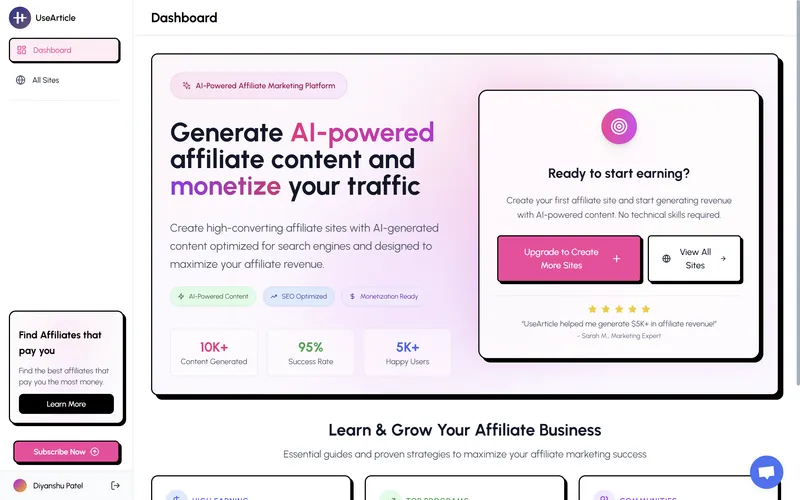
UseArticle
AI-powered content creation and management platform that helps teams produce high-quality articles at scale.
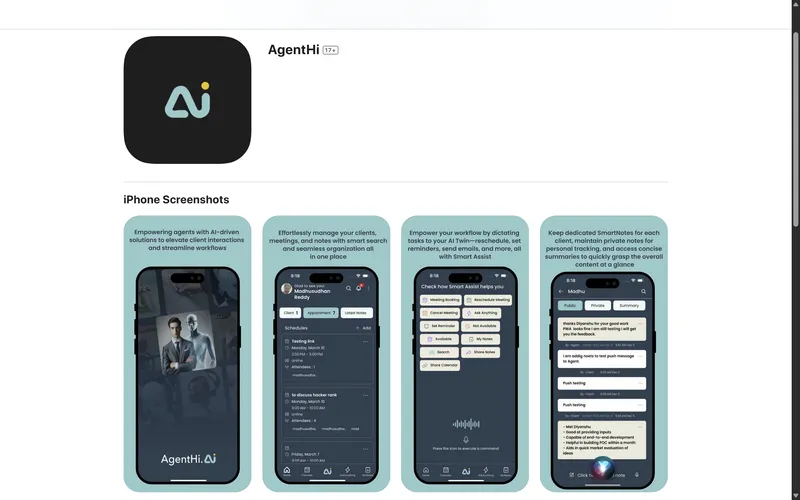
AgentHi
Intelligent virtual assistant that streamlines customer support and automates routine business tasks.
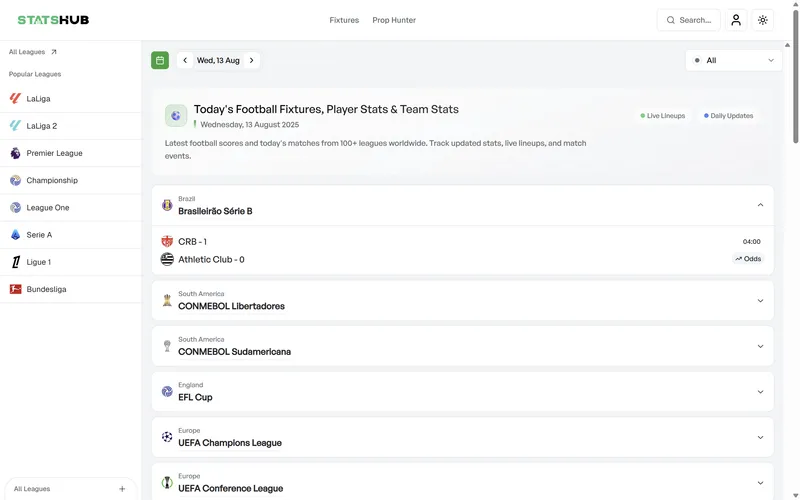
StatsHub
Comprehensive analytics dashboard providing real-time insights and data visualization for businesses.
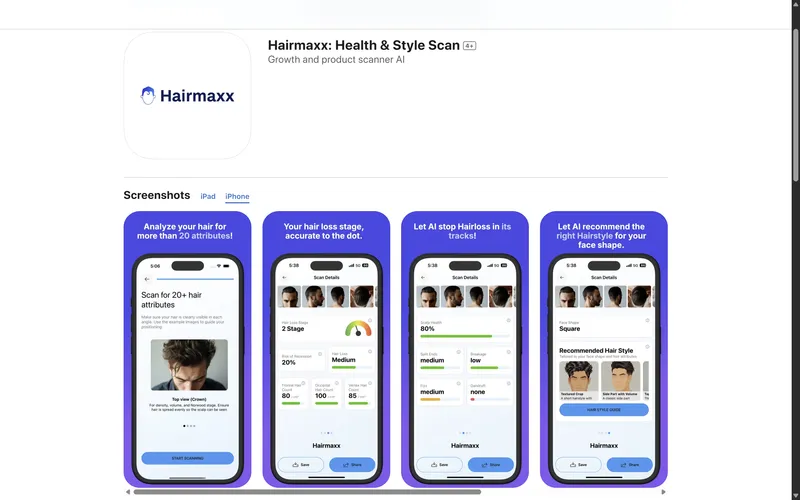
Harimaxx
Personal fitness companion with AI-driven workout plans and nutrition tracking for optimal health.
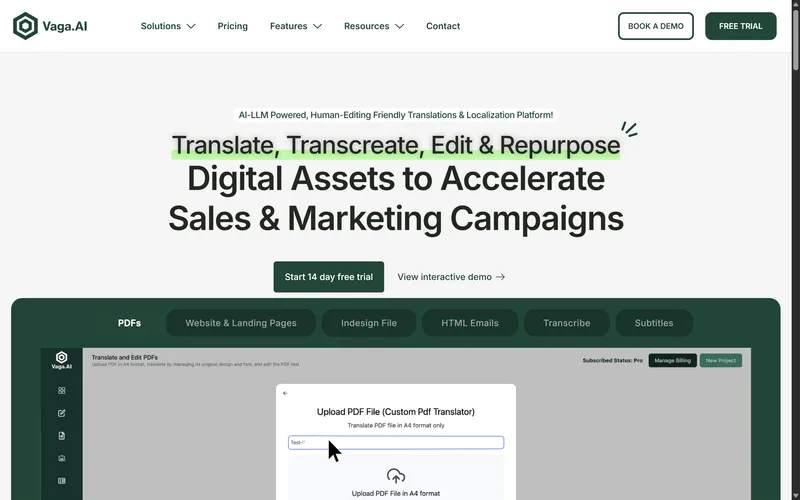
Vaga
Smart travel planning app that curates personalized itineraries and local experiences.
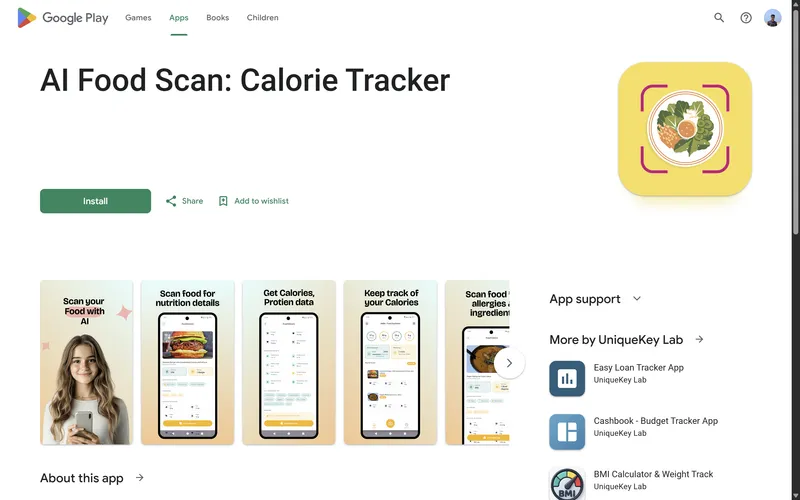
FoodScan
Nutrition analysis app that scans food items and provides detailed nutritional information instantly.
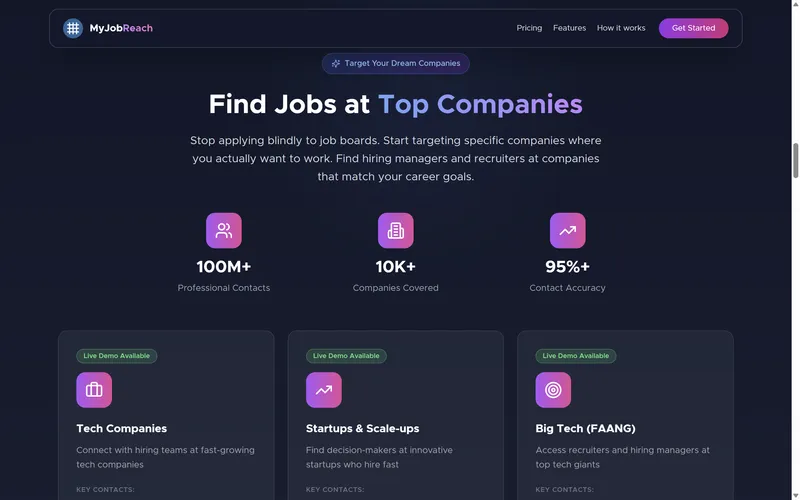
MyJobReach
Job matching platform connecting talented professionals with their dream opportunities.
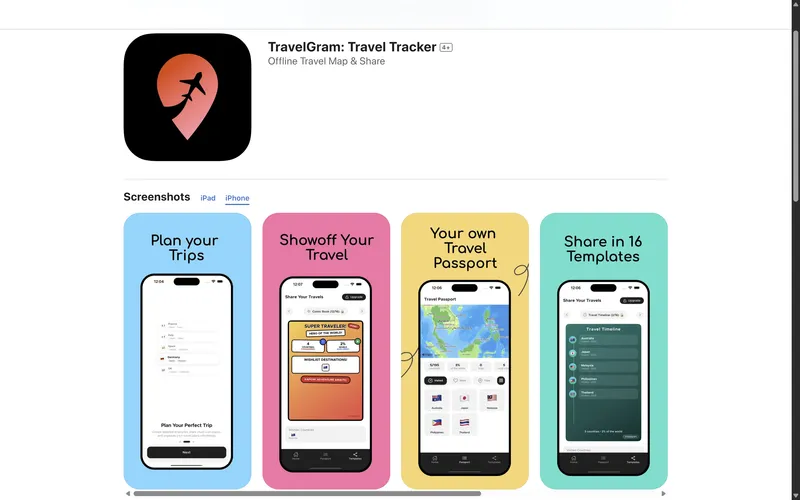
TravelGram
Social platform for travelers to share experiences, discover destinations, and connect globally.
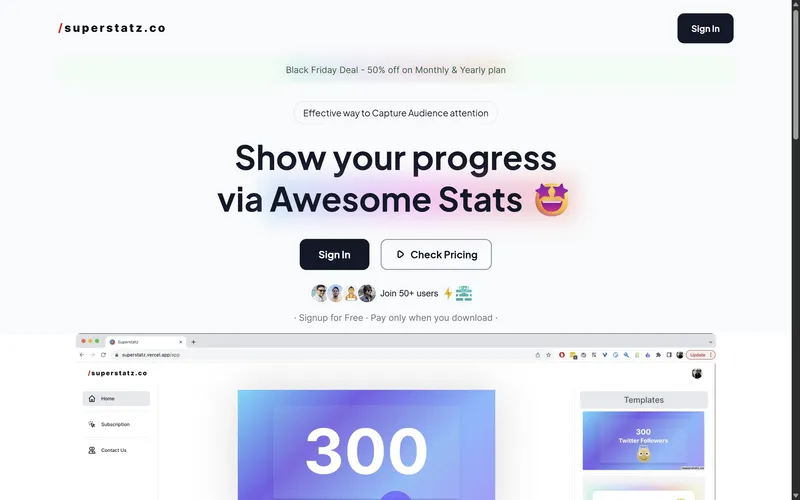
SuperStatz
Advanced sports statistics platform delivering in-depth analysis and performance metrics.
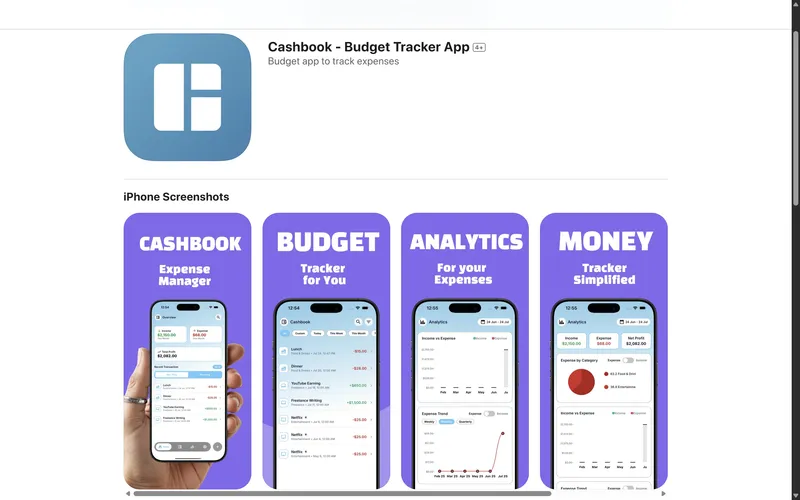
Cashbook
Simple expense tracking and budgeting app that helps users manage their finances effortlessly.
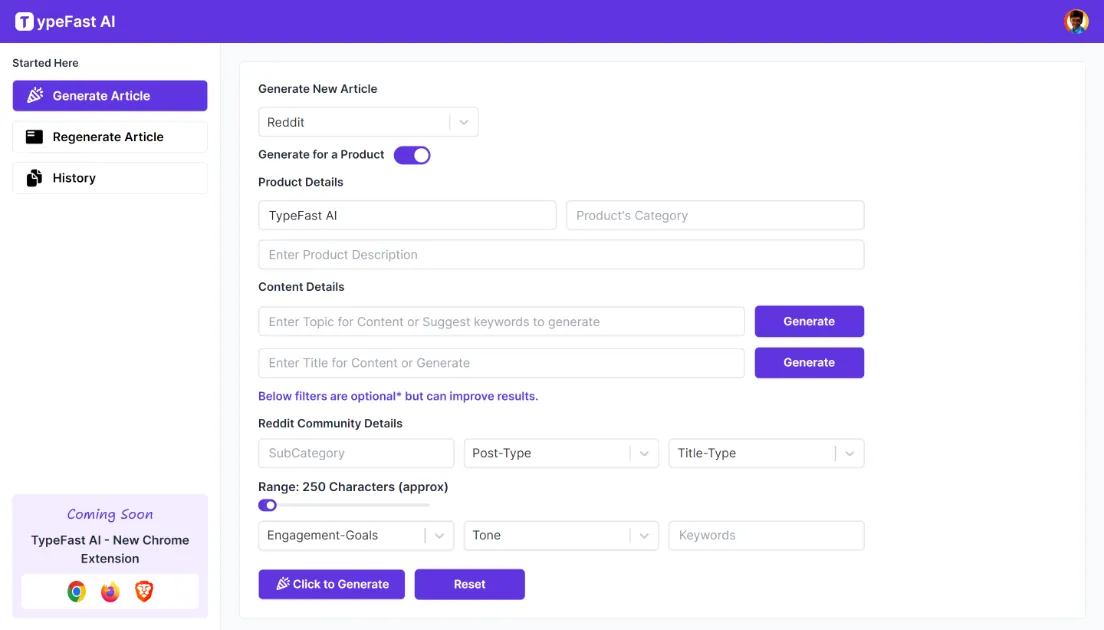
TypeFast
Typing speed improvement platform with gamified lessons and real-time performance tracking.
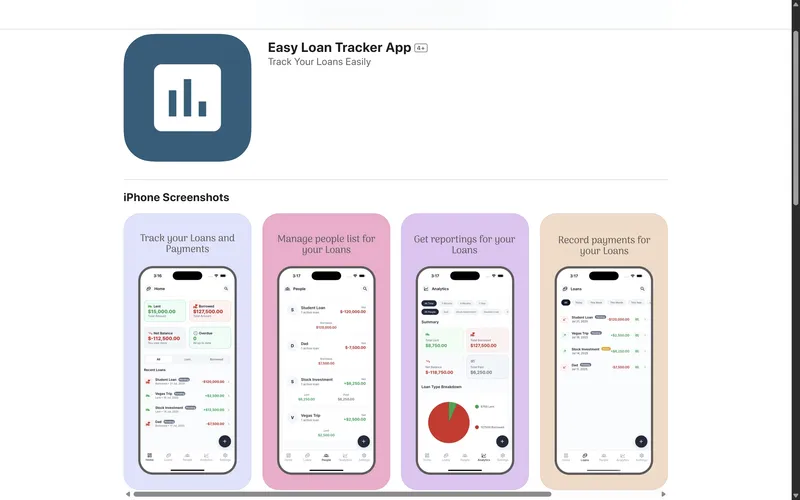
Easy Loan
Streamlined loan management system that simplifies borrowing and lending processes.
Explore Related Content
Discover more services, case studies, and insights
AI MVP Development Services
AI MVP development services for funded startups and enterprise teams in the US, UK, Canada, Australia, and the EU. As an AI MVP development company, we build custom, AI-powered MVPs that ship production-ready, with real LLM integration and full code ownership, priced in USD and delivered in 2-3 weeks.
AI MVP Development Company in Australia
AI MVP development company in Australia. We’re an AI MVP partner for funded startups: shipping investor-ready AI products in 2-3 weeks.
AI MVP Development Company in Austria
AI MVP development company in Austria. We’re an AI MVP partner for funded startups: shipping investor-ready AI products in 2-3 weeks.
AI MVP Development Company in Brazil
AI MVP development company in Brazil. We’re an AI MVP partner for funded startups: shipping investor-ready AI products in 2-3 weeks.
AI-Powered MVP Development
Launch a production-ready AI MVP in just 2-3 weeks. Our team blends rapid prototyping with enterprise-grade AI/ML engineering to validate your idea, attract investors, and win early customers.
Design to Code
Turn Figma, Sketch, or Adobe XD designs into production-ready, pixel-perfect code. We bridge the gap between design and engineering, delivering responsive, accessible, and performant front-end code your team can ship immediately.
How AI Agencies Ensure Quality at Speed
How top AI development agencies ship quality, scalable products in 2-3 weeks: senior engineers, AI-assisted workflows with human review, production-grade architecture, and automated testing under real deadlines.
How to Develop an AI-Driven Mobile App
A step-by-step guide to developing an AI-driven mobile app: defining the use case, choosing on-device vs cloud AI, picking your stack, building the model, and shipping.
AI Route Optimization Cuts Delivery Costs 34%
We built an AI logistics optimisation layer that uses ML-based route scoring, demand forecasting, and real-time re-routing to reduce cost-per-delivery by 34% and improve on-time performance.
AI Food Delivery MVP: Zero to First Order, 3 Weeks
SpeedMVPs built QuickBite: a full-stack food delivery MVP with an AI recommendation engine, dynamic delivery time estimation, multi-restaurant ordering, and a live driver-tracking map: shipped in 3 weeks.
Ready to Build Your MVP?
Schedule a complimentary strategy session. Transform your concept into a market-ready MVP within 2-3 weeks. Partner with us to accelerate your product launch and scale your startup globally.