
Hire MVP Developers: Team Models, Cost & Vetting
Hiring MVP developers? Compare freelancer, agency, and dedicated-pod routes, what a senior MVP engineer should own, plus a vetting checklist. 18+ MVPs, 2-3 weeks.
What You Need to Know
When you search to hire MVP developers, you are really deciding how to staff a build that has to reach a working, testable product in weeks, not the ongoing team you will need after product-market fit. That distinction changes everything about who you hire. An MVP developer is optimizing for the fastest credible path to a usable v1: cutting scope without cutting the load-bearing parts, choosing boring proven tooling over resume-driven architecture, and shipping something real users can touch. This page walks through the three routes to staff that build, what a senior MVP engineer should actually own, and a vetting checklist you can run in a single call.
The three staffing routes, honestly compared. A solo freelancer is cheapest and fine when the scope is genuinely small and you can technically supervise them; the risk is a single point of failure with no design, QA, or DevOps around them, so gaps show up at launch. An agency or dev shop gives you a managed team but often bills for a project manager layer and stretches a short build into a multi-month engagement to fill retainer hours. A dedicated pod, a small cross-functional group that owns your MVP end to end, is the middle path: senior engineers plus the design and deployment coverage a freelancer lacks, without the account-management overhead. SpeedMVPs runs the pod model with a 15+ engineer bench, which is why our builds land in 2-3 weeks rather than quarters.
What a senior MVP engineer should own, not just code. The difference between a junior contractor and a senior MVP developer is not typing speed; it is judgment about scope. A senior engineer will push back on the feature that adds two weeks for a screen no early user needs, own the data model so you are not rewriting it in month two, wire up auth and payments with battle-tested libraries instead of hand-rolling them, and set up deployment and basic error tracking so you can actually watch v1 in the wild. If a candidate only talks about frameworks and never asks what you are trying to learn from the MVP, that is a signal they will build what you say instead of what you need.
The vetting checklist to run before you hire. Ask for two or three products they shipped to real users and, critically, what they cut to hit the deadline, a good MVP developer has strong opinions about what they left out. Confirm who owns the code and repositories from day one; you should have full access and 100% ownership, never a vendor lock. Get a fixed scope with a fixed timeline in writing rather than an open-ended hourly arrangement that has no incentive to finish. Clarify what happens post-launch: who fixes the first production bug, and on what terms. Finally, insist on a technical point of contact who has actually built an MVP, not only a salesperson relaying messages to an offshore team you never meet.
Match the route to your stage and constraints. If you are a technical founder who can review pull requests and just need extra hands, a vetted freelancer or a single embedded engineer may be enough. If you are non-technical, or the product touches payments, health data, or anything regulated, you want a pod that carries its own design, QA, and DevOps so no critical layer is missing. If speed to a fundable demo is the whole game, hire a team that has a repeatable MVP process and a portfolio of comparable builds, because they are not learning on your clock. The wrong match is usually a non-technical founder hiring a lone freelancer for a payments product, or a funded team paying agency overhead for a two-week scope.
Where AI MVPs raise the bar on who you hire. If your product has an AI feature, LLM calls, retrieval, agents, or model orchestration, the hiring bar shifts again. Plenty of capable web developers have never shipped a product where the core logic is probabilistic, and it shows in the parts that matter: prompt and context design, handling hallucinations and failure states gracefully, controlling token cost, and evaluating output quality instead of assuming it works. SpeedMVPs is an AI-first studio, our 15+ engineers have shipped 18+ AI MVPs across fintech, healthcare, e-commerce, and SaaS, so the AI layer is the thing we build most, not a feature we are trying for the first time on your budget.
How the SpeedMVPs pod maps to what you are hiring for. Instead of hiring and coordinating a freelancer, a designer, and a DevOps contractor separately, you engage one pod that already works together and has shipped this shape of product before. The engagement is fixed scope, fixed timeline: a working, production-ready MVP in 2-3 weeks, with you holding 100% code ownership and full repository access from day one. You get a real technical point of contact, not a message relay, and the same team that scoped the build is the one writing the code. If your needs later shift from a one-time MVP build to ongoing team staffing, that is a different engagement, our dedicated-team and team-augmentation models cover continuous development once you are past v1.
What You'll Get
MVP-build pod, not a body shop
A cross-functional team of senior engineers with design, QA, and deployment coverage that owns your v1 end to end and ships in 2-3 weeks.
Vetting-ready proof and ownership
A comparable portfolio of 18+ shipped MVPs, a fixed scope and timeline in writing, and 100% code ownership with full repo access from day one.
AI-first engineering depth
15+ engineers who ship AI products, so LLM, retrieval, and agent work is core practice, not a first-time experiment on your budget.
FAQ
Should I hire a freelance MVP developer or an agency?
It depends on scope and your own technical depth. A vetted freelancer works when the build is genuinely small and you can review the work yourself, but you carry the risk of one person with no design, QA, or DevOps around them. An agency gives you a managed team but often adds project-management overhead and stretches a short build into a multi-month engagement. A dedicated pod sits in between: senior engineers plus the missing layers, without the account-management tax. Match the route to your stage rather than to price alone.
How many developers do I actually need to build an MVP?
For most MVPs, fewer than founders expect. A tightly scoped v1 often needs one to three engineers plus part-time design and deployment support, not a large team. What matters more than headcount is seniority and scope judgment: one senior MVP engineer who cuts the right features and owns the data model will outship a larger group that builds everything you ask for. At SpeedMVPs a small pod from our 15+ engineer bench handles a full MVP in 2-3 weeks.
How do I vet MVP developers before hiring them?
Ask for two or three products they shipped to real users and, importantly, what they cut to hit the deadline, good MVP developers have opinions about what they left out. Confirm you get 100% code ownership and full repository access from day one. Require a fixed scope and timeline in writing instead of open-ended hourly work. Clarify who handles the first production bug and on what terms. And insist on a technical point of contact who has actually built an MVP, not just a salesperson.
Do I need developers who have built AI products specifically?
If your MVP's core logic involves LLMs, retrieval, or agents, yes. Building probabilistic features is meaningfully different from standard web work: prompt and context design, handling hallucinations and failure states, controlling token cost, and evaluating output quality all require experience. A strong web developer who has never shipped an AI product will often learn these on your timeline. SpeedMVPs' engineers have shipped 18+ AI MVPs, so the AI layer is routine rather than a first attempt.
What does it cost to hire developers to build an MVP?
Cost depends on the route and scope more than on a fixed rate. Freelancers bill hourly with no ceiling; agencies bundle in management overhead; a fixed scope, fixed timeline engagement gives you a known number before work starts. We recommend hiring against a written fixed scope so the incentive is to finish, not to bill hours. SpeedMVPs quotes a fixed price for a defined MVP scope and delivers a production-ready build in 2-3 weeks.
What is the difference between hiring for an MVP build and hiring a dedicated team?
An MVP build is a one-time, fixed-scope engagement to reach a working v1, you are hiring for speed and scope judgment. A dedicated team is ongoing staffing for continuous development after you have product-market fit, where you are hiring for sustained capacity. This page is about the MVP build; if you need continuous development past v1, that is our dedicated-team and team-augmentation model, a separate engagement with different economics.
Trusted by Global Companies Building AI Products
We've helped startups and enterprises worldwide transform their AI ideas into production-ready MVPs in 2–3 weeks. From fintech platforms to AI assistants, our global MVP development services have launched 18+ AI products serving users across the US, Europe, and Asia.
Portfolio: AI Products Built for Global Startups
From content platforms and AI assistants to analytics dashboards and fintech solutions: see how we've transformed ideas into production-ready MVPs in 2-3 weeks across diverse industries. Each product launched successfully, serving users globally.
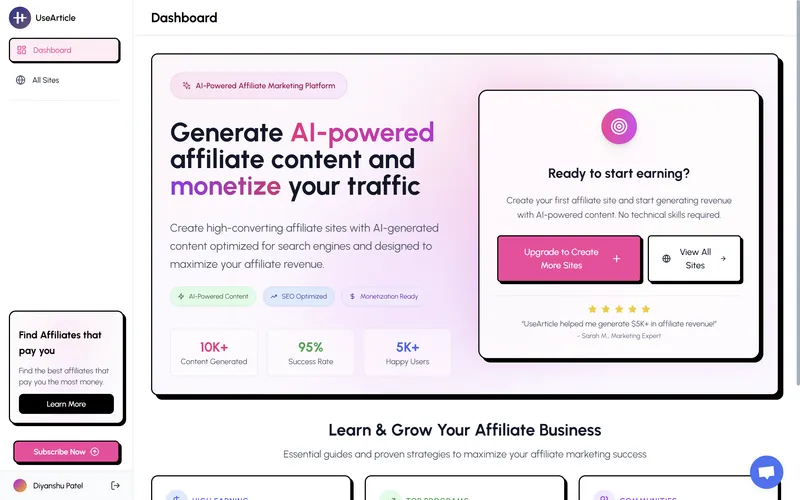
UseArticle
AI-powered content creation and management platform that helps teams produce high-quality articles at scale.
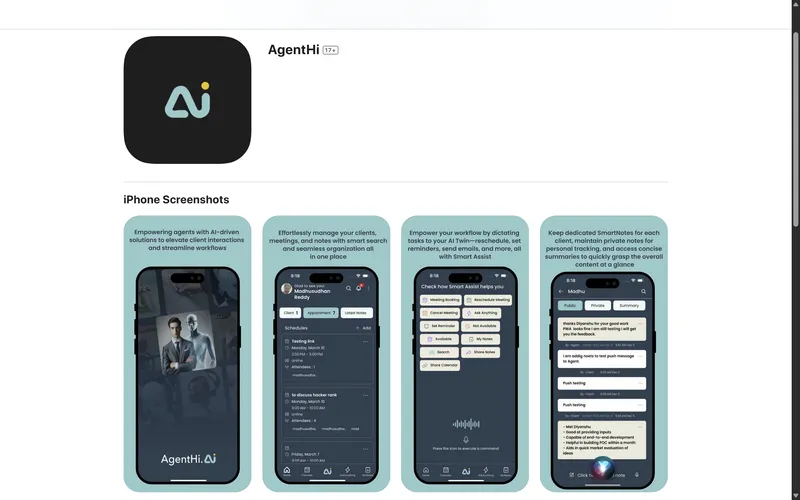
AgentHi
Intelligent virtual assistant that streamlines customer support and automates routine business tasks.
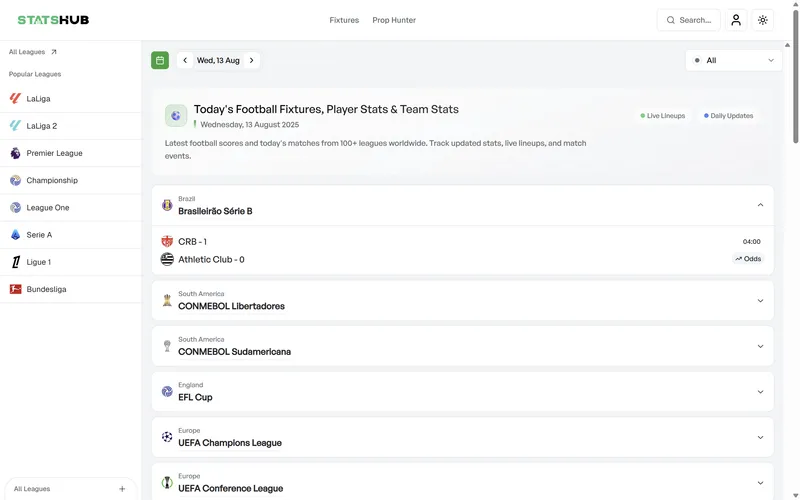
StatsHub
Comprehensive analytics dashboard providing real-time insights and data visualization for businesses.
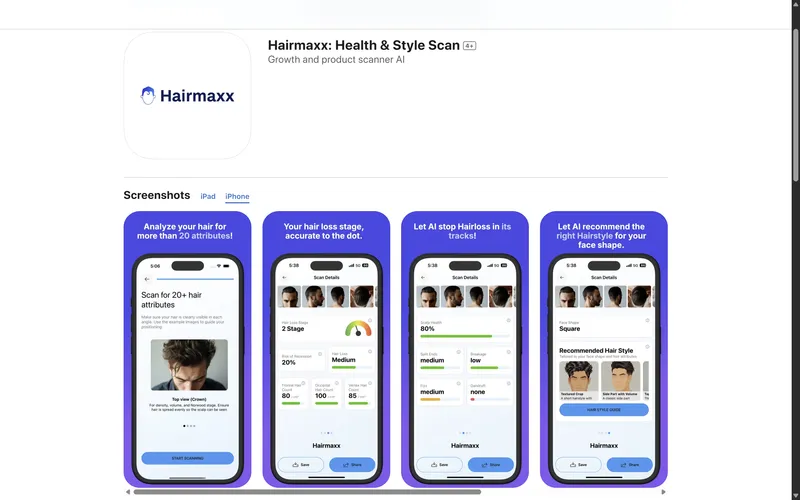
Harimaxx
Personal fitness companion with AI-driven workout plans and nutrition tracking for optimal health.
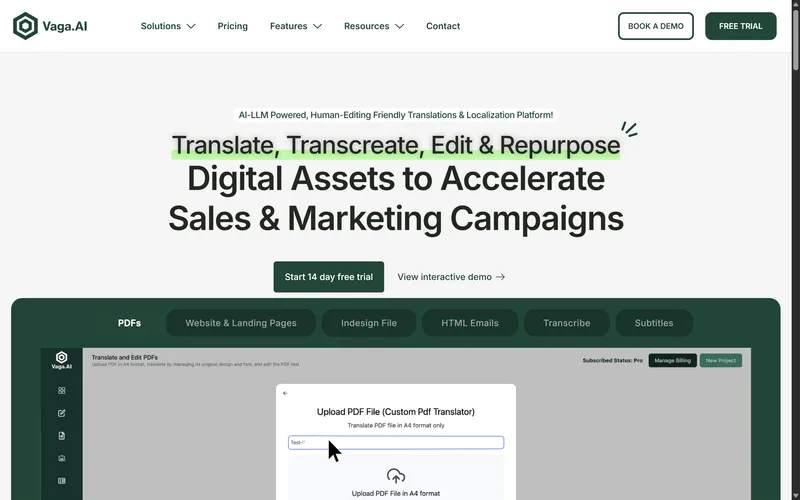
Vaga
Smart travel planning app that curates personalized itineraries and local experiences.
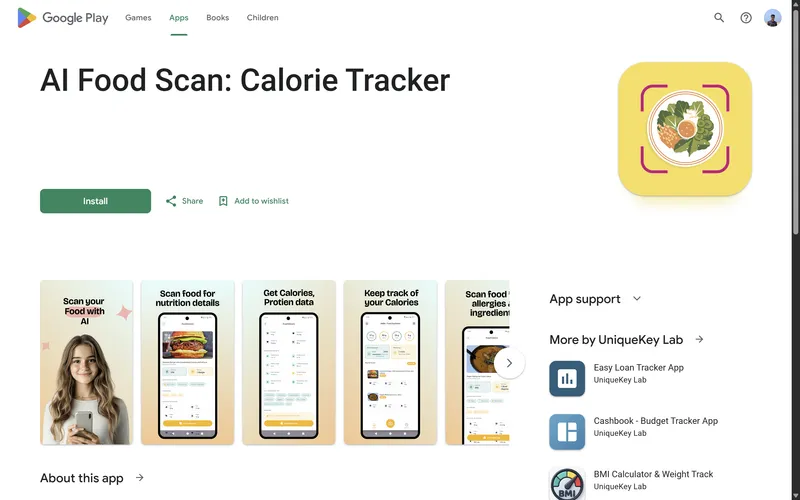
FoodScan
Nutrition analysis app that scans food items and provides detailed nutritional information instantly.
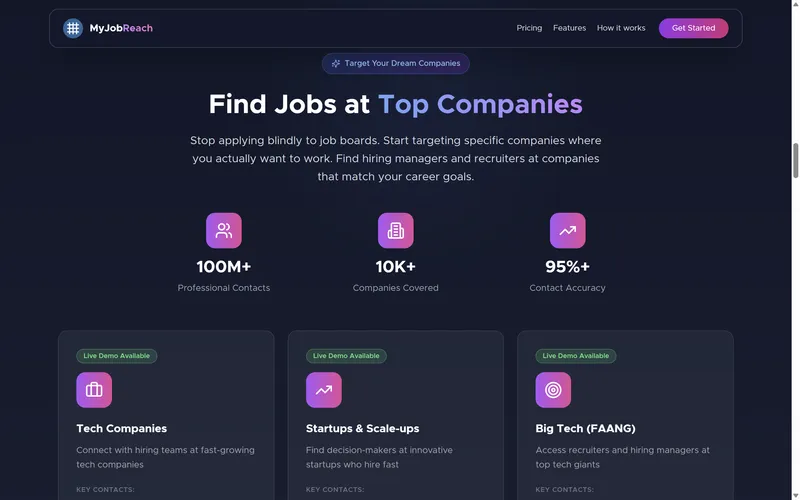
MyJobReach
Job matching platform connecting talented professionals with their dream opportunities.
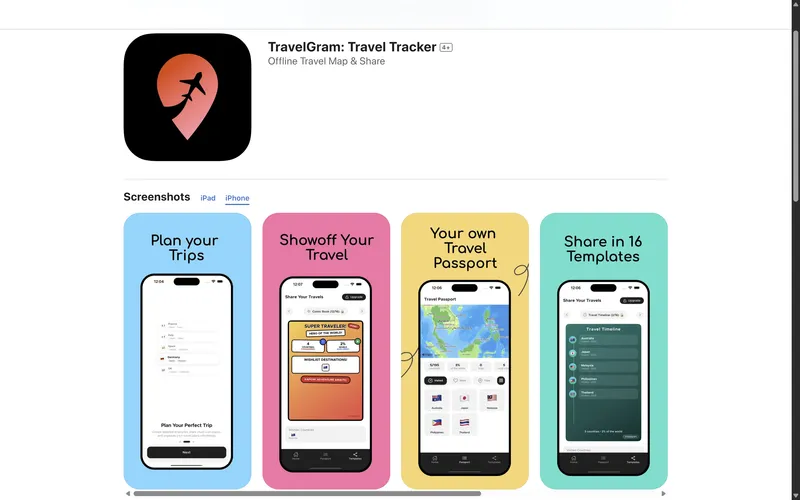
TravelGram
Social platform for travelers to share experiences, discover destinations, and connect globally.
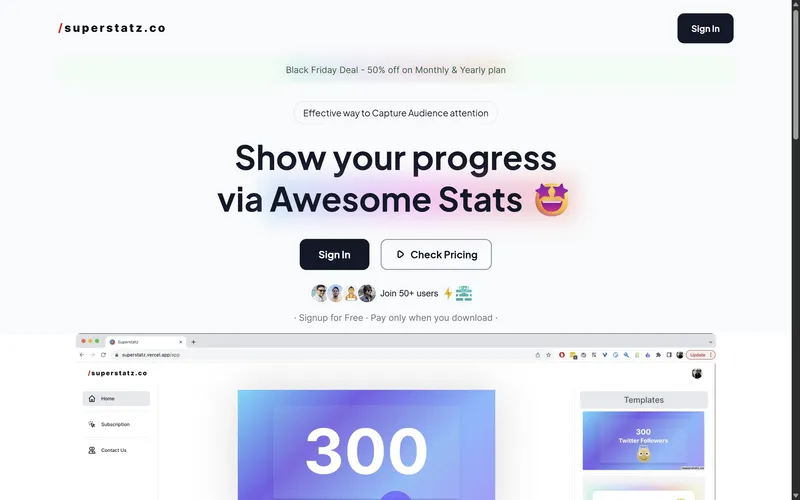
SuperStatz
Advanced sports statistics platform delivering in-depth analysis and performance metrics.
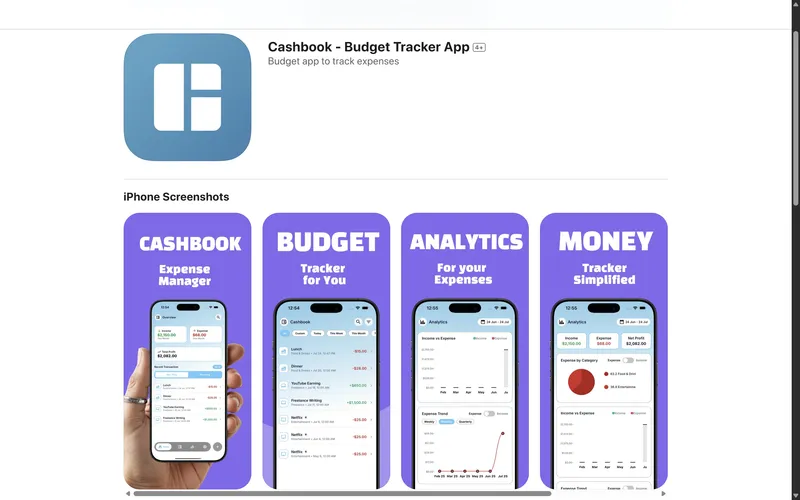
Cashbook
Simple expense tracking and budgeting app that helps users manage their finances effortlessly.
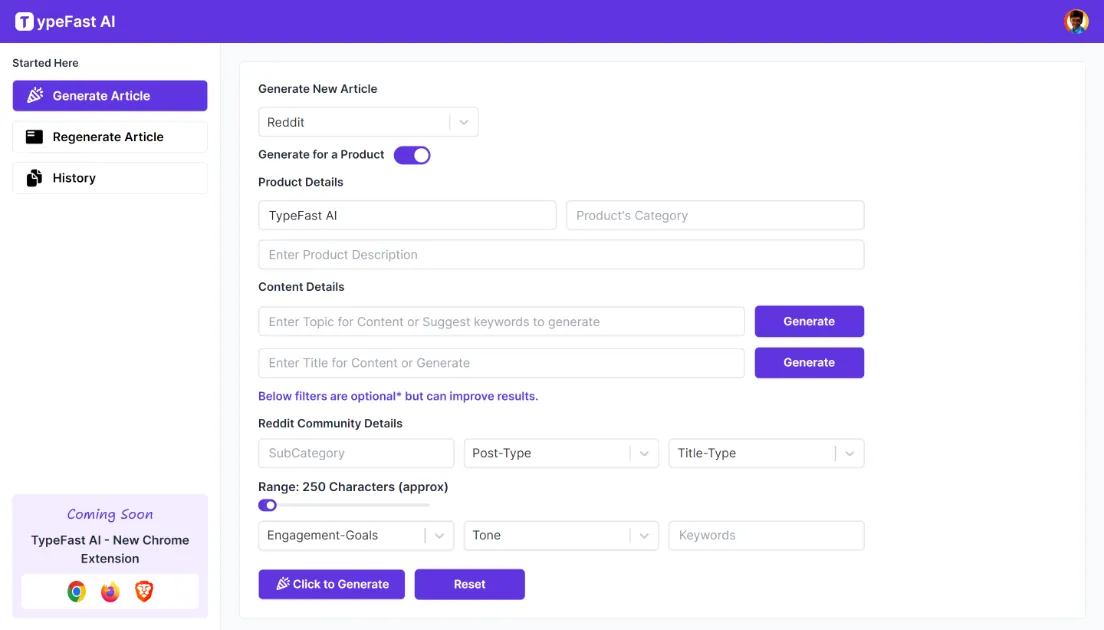
TypeFast
Typing speed improvement platform with gamified lessons and real-time performance tracking.
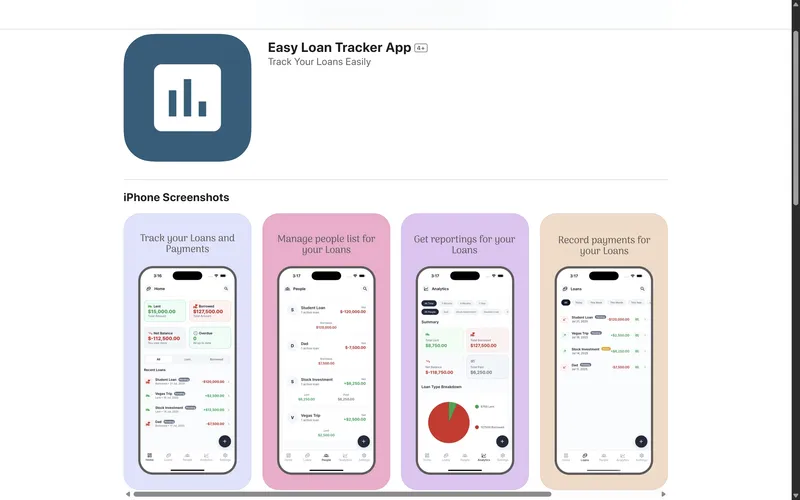
Easy Loan
Streamlined loan management system that simplifies borrowing and lending processes.
Explore Related Content
Discover more services, case studies, and insights
MVP Development Agency
An MVP development agency that ships production MVPs in 2-3 weeks at a fixed price. See our process, senior team, fixed-scope guarantee, and honest pricing.
How to Hire Developers: A Startup's Guide
Learn how to hire software developers effectively. Covers sourcing, interviewing, evaluating skills, and building development teams.
How to Hire an AI Development Agency
Step-by-step guide to evaluating and hiring an AI development agency. What to look for, red flags to avoid, and questions to ask before signing.
Hire AI Developers in Australia
Hire AI developers in Australia for AI MVP development, automation, copilots, and data dashboards. Fast delivery in 2-3 weeks with clear scope and ownership.
Hire AI Developers in Austria
Hire AI developers in Austria for AI MVP development, automation, copilots, and data dashboards. Fast delivery in 2-3 weeks with clear scope and ownership.
Hire AI Developers in Belgium
Hire AI developers in Belgium for AI MVP development, automation, copilots, and data dashboards. Fast delivery in 2-3 weeks with clear scope and ownership.
AI-Powered MVP Development
Launch a production-ready AI MVP in just 2-3 weeks. Our team blends rapid prototyping with enterprise-grade AI/ML engineering to validate your idea, attract investors, and win early customers.
Design to Code
Turn Figma, Sketch, or Adobe XD designs into production-ready, pixel-perfect code. We bridge the gap between design and engineering, delivering responsive, accessible, and performant front-end code your team can ship immediately.
How AI Agencies Ensure Quality at Speed
How top AI development agencies ship quality, scalable products in 2-3 weeks: senior engineers, AI-assisted workflows with human review, production-grade architecture, and automated testing under real deadlines.
Selecting an AI Development Partner
How enterprise teams should evaluate an AI development partner: technical AI depth, SOC 2/GDPR/HIPAA compliance, security and data governance, legacy integration, scalable architecture, SLAs, and procurement fit: with a checklist and vendor questions.
Ready to Build Your MVP?
Schedule a complimentary strategy session. Transform your concept into a market-ready MVP within 2-3 weeks. Partner with us to accelerate your product launch and scale your startup globally.