
AI for real estate companies in Canada
Build ai for real estate companies in Canada. We’re an AI MVP partner for funded startups and enterprises: shipping AI SaaS MVPs, AI automation, enterprise AI copilots, and analytics dashboards in 2-3 weeks. Trusted by teams in Toronto, Vancouver, Montreal.
AI for real estate companies in Canada: what the market actually looks like
Canada punches above its weight in AI. Montreal, Toronto, and Edmonton are globally recognized AI research hubs, driven by pioneers like Yoshua Bengio and Geoffrey Hinton. The Canadian government offers generous SR&ED tax credits for AI R&D, and the Pan-Canadian AI Strategy has invested over CAD $2 billion in AI research and commercialization. The startup ecosystem is particularly strong in AI infrastructure, NLP, and computer vision. Toronto's financial district creates demand for fintech and regtech AI, while Montreal excels in foundational AI research and gaming AI.
Regulation and compliance you have to build around
Canada's AI governance centers on PIPEDA (Personal Information Protection and Electronic Documents Act) for data privacy, with provincial equivalents in Quebec, Alberta, and British Columbia. The proposed Artificial Intelligence and Data Act (AIDA), part of Bill C-27, aims to regulate high-impact AI systems with requirements for risk assessments, transparency, and bias mitigation. Quebec's Law 25 (effective 2023-2024) adds stricter consent and data portability requirements. Healthcare AI must comply with provincial health information acts (e.g., PHIPA in Ontario, HIA in Alberta). Canada's Voluntary Code of Conduct for Generative AI provides guidelines for responsible deployment.
Sectors driving AI demand in Canada
-
AI research & infrastructure (foundational models, ML tools, training pipelines)
-
Financial services & banking (Big Five banks drive AI adoption in fraud, compliance, CX)
-
Mining & natural resources (predictive maintenance, exploration optimization)
-
Clean tech & energy (grid optimization, emissions monitoring, carbon tracking)
-
Healthcare & biotech (drug discovery, patient triage, health data analytics)
-
Agriculture & food tech (crop yield prediction, supply chain, food safety)
The Canada tech ecosystem
Canada's AI ecosystem is research-heavy and well-funded. MILA in Montreal, the Vector Institute in Toronto, and Amii in Edmonton produce world-class AI talent. The SR&ED tax credit program effectively subsidizes 35-65% of eligible R&D costs, making Canada one of the most cost-effective places to build AI products. The startup community is collaborative, with strong accelerators (Creative Destruction Lab, Next AI) that connect founders with enterprise buyers quickly.
How Canada buyers evaluate an AI build
Canadian buyers are pragmatic and risk-aware. Enterprise sales cycles tend to be methodical, with strong emphasis on data privacy and security. Government procurement via the Digital Marketplace and Innovation Canada programs provides accessible channels for AI startups. The proximity to the US market makes Canada an ideal launch pad: build and validate in Canada, then expand south.
Why teams in Toronto, Vancouver, Montreal build with SpeedMVPs
-
Use SR&ED tax credits that offset 35-65% of AI development costs
-
PIPEDA and Quebec Law 25 compliance built into your product from the start
-
Access Canada's world-class AI research talent pool (MILA, Vector, Amii)
-
Use Canada as a launch pad to validate before expanding to the US market
AI for real estate companies: the engineering detail
Real estate software lives or dies on data plumbing, and most PropTech founders underestimate how much of an MVP is really integration work. A listings or brokerage product has to speak the RESO Web API and RESO Data Dictionary to pull IDX/VOW feeds from an MLS, and every MLS has its own approval process, field mappings, and display rules you must honor before you can show a single listing. We build the normalization layer that reconciles inconsistent MLS field data, dedupes across overlapping feeds, and keeps your local store in sync via replication rather than hammering the API, so the AI features on top actually have clean, current data to reason over.
The single most dangerous thing an AI real estate product can do is violate the Fair Housing Act. Any model that touches recommendations, ad targeting, tenant screening, or even the wording of listing descriptions can inadvertently create disparate impact around the protected classes, and HUD's guidance now explicitly covers algorithmic and automated systems. We design these features with the protected attributes (and their proxies like zip code, school-district language, or 'family-friendly' phrasing) excluded from the decision path, add audit logging so you can prove why a given result surfaced, and keep a human in the loop for anything that gates access to housing. That is not legal advice, but it is the architecture that keeps you defensible if a HUD complaint ever lands.
Automated valuation is the classic real estate AI use case, and doing it credibly means more than a regression on square footage. A useful AVM or CMA tool blends comparable sales, active and pending inventory, geospatial features (walkability, flood zone, transit distance), and property characteristics, then returns a confidence interval instead of a false-precision point estimate: appraisers and lenders will not trust a black box. For MVPs we typically ship a gradient-boosted baseline with SHAP-style feature attribution so a user can see which comps and adjustments drove the number, which is both a trust feature and a hedge against the model quietly drifting on a thin market.
The highest-leverage generative AI work in real estate right now is document intelligence over leases, disclosures, and offering memoranda. Commercial leases, estoppels, and CAM (common area maintenance) reconciliations are dense, non-standard, and expensive to read; a RAG pipeline that extracts key dates, escalation clauses, renewal options, and rent-roll figures, with every answer citing the exact page and clause, collapses a manual abstraction that takes hours into minutes. The engineering that matters here is chunking that respects clause and section boundaries, table extraction that survives scanned PDFs via OCR, and grounding strict enough that the model refuses to guess when a term is not in the document.
What You'll Get
Industry AI MVP in 2-3 weeks
A working real estate AI MVP scoped for real usage.
AI automation + integrations
Connect your tools and automate the manual steps that slow teams down.
Copilots and dashboards
Enterprise AI copilots plus analytics dashboards tied to your KPIs.
Why Choose Us
- Use SR&ED tax credits that offset 35-65% of AI development costs
- PIPEDA and Quebec Law 25 compliance built into your product from the start
- Access Canada's world-class AI research talent pool (MILA, Vector, Amii)
- Use Canada as a launch pad to validate before expanding to the US market
Client Signals
FAQ
Can you help Canadian startups take advantage of SR&ED credits?
While we do not file SR&ED claims directly, we structure our development process to maximize your eligibility: detailed technical documentation, experiment logs, and clear records of technological uncertainty and advancement. Our clients' accountants regularly tell us our documentation makes SR&ED filing straightforward.
How do you handle PIPEDA compliance for AI products?
We build PIPEDA compliance into the architecture from day one: meaningful consent flows, data minimization, purpose limitation, and transparent data handling. For Quebec-based users, we also account for Law 25 requirements including privacy impact assessments and French-language privacy notices.
Do you work with the major Canadian banks on AI projects?
We work with fintech startups and scale-ups that serve or integrate with major Canadian financial institutions. Our products meet the security and compliance standards required for banking integrations, including OSFI guidelines, encryption standards, and audit trail requirements.
How does the timezone work for Canadian teams?
Canada spans six time zones, and we've worked with teams from Vancouver to Halifax. We maintain overlap with EST/PST for daily check-ins and async communication via Slack and Loom for everything else. Most Canadian founders find the 9-12 hour offset actually increases productivity: work gets done overnight.
Can you integrate with our MLS and RESO feeds?
Yes. We build against the RESO Web API and RESO Data Dictionary and handle the per-MLS approval, field mapping, and display-rule differences that make IDX/VOW integration painful. We replicate the feed into a normalized local store, dedupe across overlapping MLSs, and keep it in sync so your AI features query clean data instead of rate-limited endpoints.
How do you keep AI features compliant with the Fair Housing Act?
We architect any feature that touches recommendations, targeting, tenant screening, or listing copy to exclude protected classes and their proxies (like zip code or family-status language) from the decision path, log why each result surfaced for auditability, and keep a human in the loop on anything that gates housing access. If you touch tenant screening we also build in FCRA adverse-action handling. This is engineering for compliance, not legal advice: we work alongside your counsel.
Trusted by Global Companies Building AI Products
We've helped startups and enterprises worldwide transform their AI ideas into production-ready MVPs in 2–3 weeks. From fintech platforms to AI assistants, our global MVP development services have launched 18+ AI products serving users across the US, Europe, and Asia.






Portfolio: AI Products Built for Global Startups
From content platforms and AI assistants to analytics dashboards and fintech solutions: see how we've transformed ideas into production-ready MVPs in 2-3 weeks across diverse industries. Each product launched successfully, serving users globally.

UseArticle
AI-powered content creation and management platform that helps teams produce high-quality articles at scale.
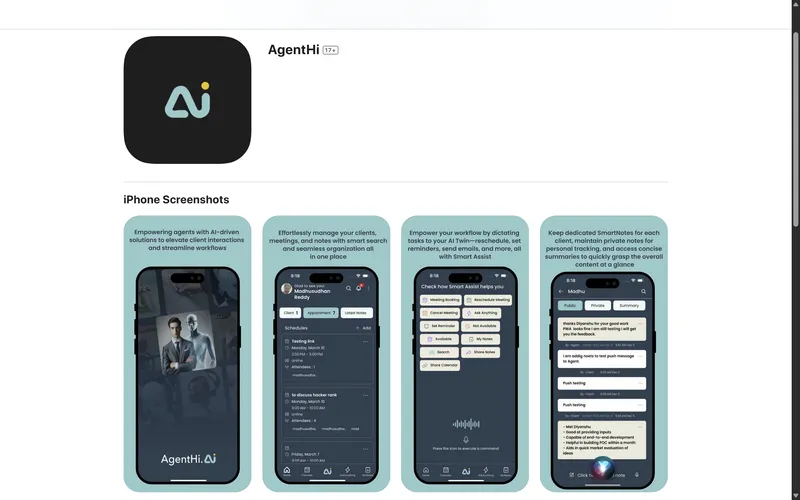
AgentHi
Intelligent virtual assistant that streamlines customer support and automates routine business tasks.
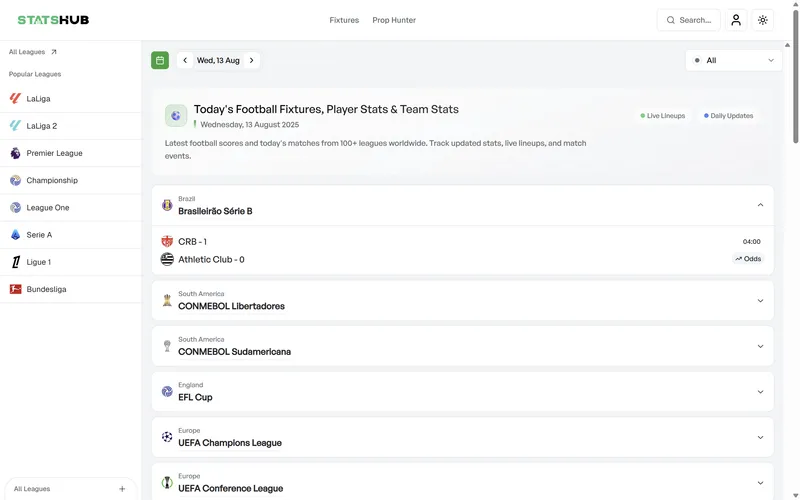
StatsHub
Comprehensive analytics dashboard providing real-time insights and data visualization for businesses.
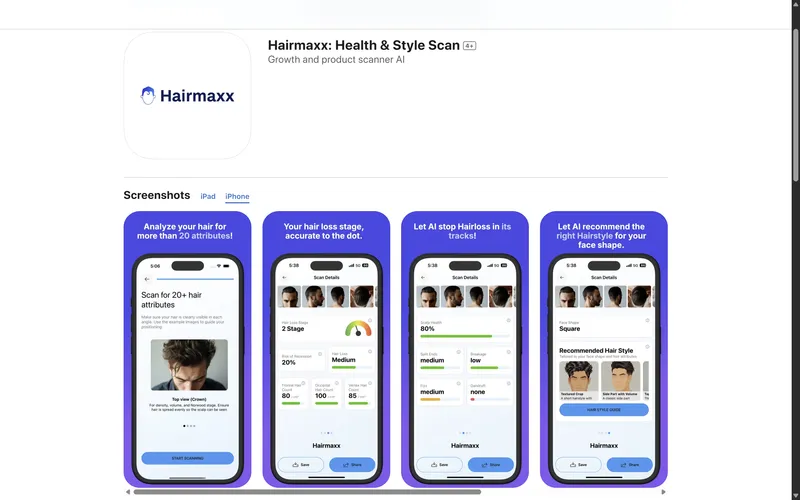
Harimaxx
Personal fitness companion with AI-driven workout plans and nutrition tracking for optimal health.
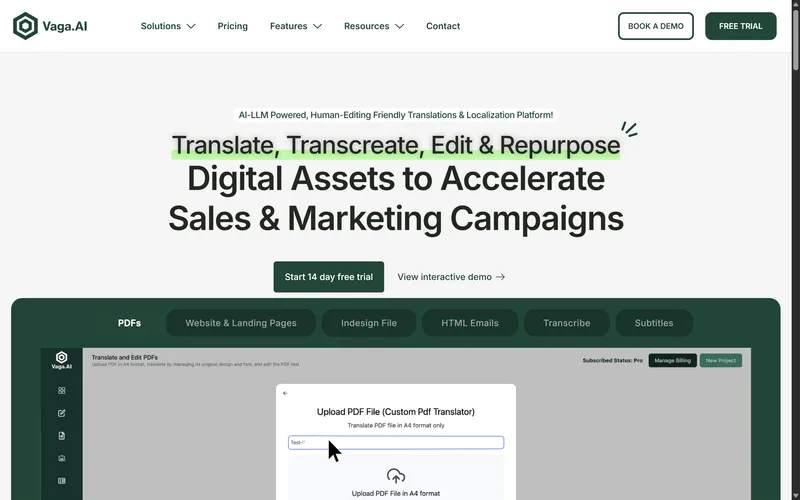
Vaga
Smart travel planning app that curates personalized itineraries and local experiences.
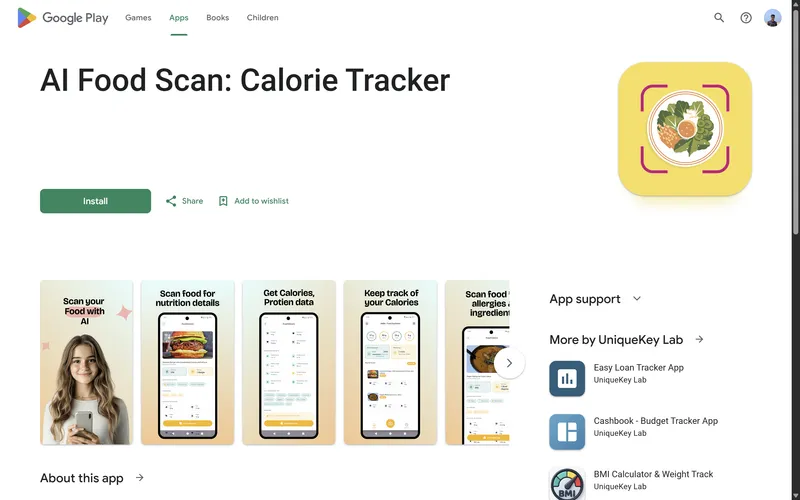
FoodScan
Nutrition analysis app that scans food items and provides detailed nutritional information instantly.
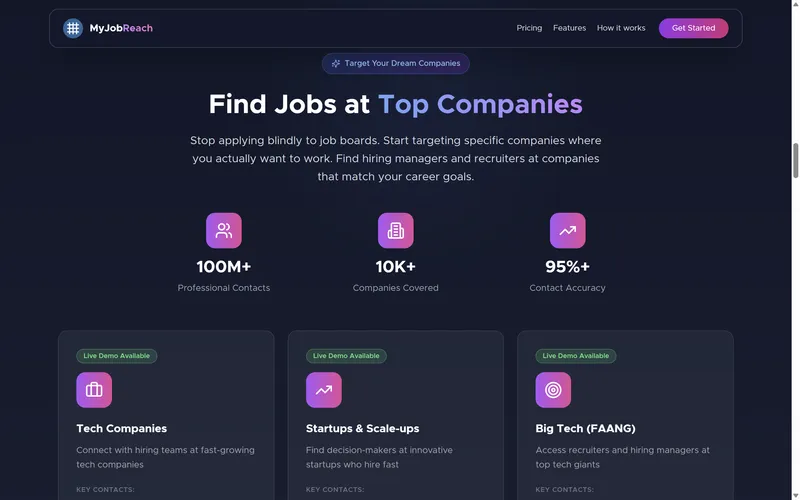
MyJobReach
Job matching platform connecting talented professionals with their dream opportunities.

TravelGram
Social platform for travelers to share experiences, discover destinations, and connect globally.
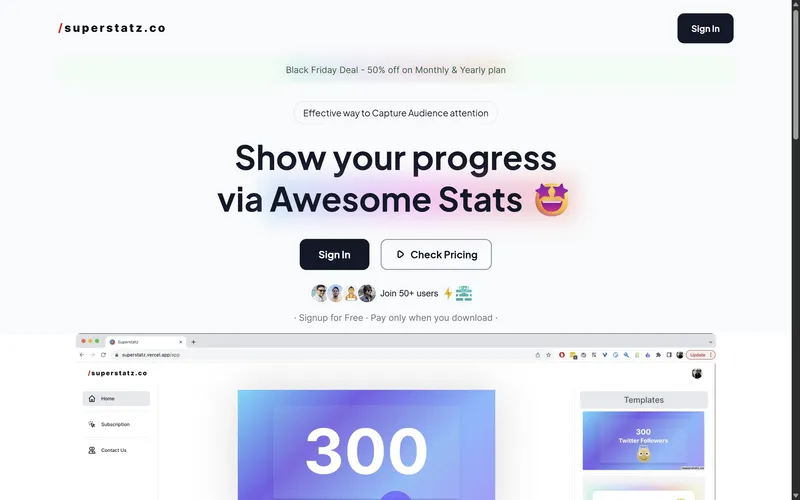
SuperStatz
Advanced sports statistics platform delivering in-depth analysis and performance metrics.
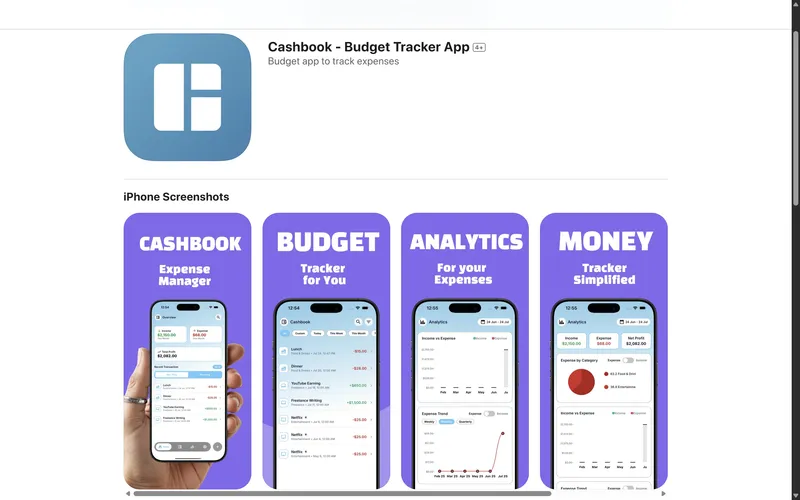
Cashbook
Simple expense tracking and budgeting app that helps users manage their finances effortlessly.
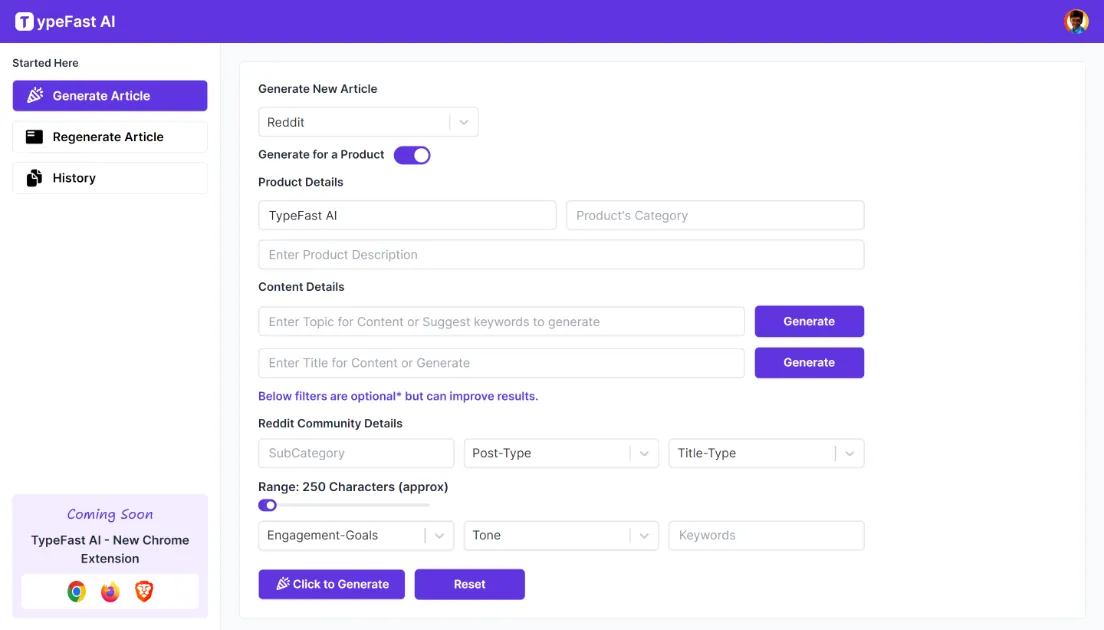
TypeFast
Typing speed improvement platform with gamified lessons and real-time performance tracking.
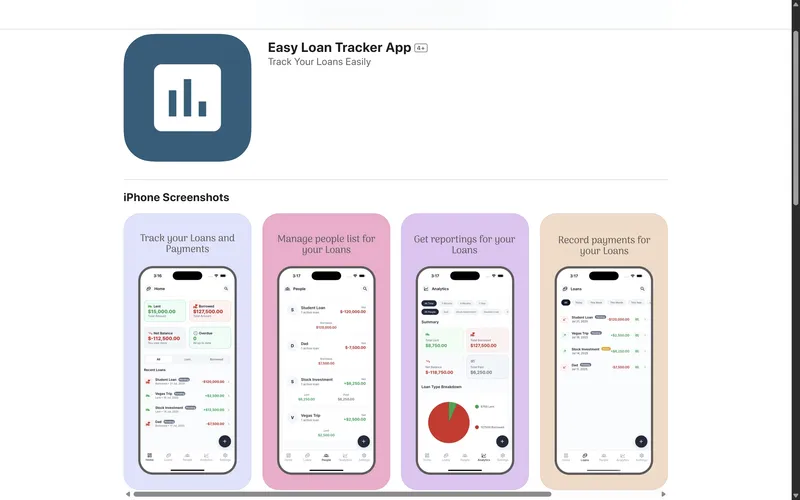
Easy Loan
Streamlined loan management system that simplifies borrowing and lending processes.
Explore Related Content
Discover more services, case studies, and insights
AI for real estate companies in Chile
Build ai for real estate companies in Chile. We’re an AI MVP partner for funded startups and enterprises: shipping AI SaaS MVPs, AI automation, enterprise AI copilots, and analytics dashboards in 2-3 weeks. Trusted by teams in Santiago, Valparaíso, Concepción.
AI for real estate companies in Colombia
Build ai for real estate companies in Colombia. We’re an AI MVP partner for funded startups and enterprises: shipping AI SaaS MVPs, AI automation, enterprise AI copilots, and analytics dashboards in 2-3 weeks. Trusted by teams in Bogotá, Medellín, Cali.
AI for real estate companies in Czech Republic
Build ai for real estate companies in Czech Republic. We’re an AI MVP partner for funded startups and enterprises: shipping AI SaaS MVPs, AI automation, enterprise AI copilots, and analytics dashboards in 2-3 weeks. Trusted by teams in Prague, Brno, Ostrava.
AI-Powered MVP Development
Launch a production-ready AI MVP in just 2-3 weeks. Our team blends rapid prototyping with enterprise-grade AI/ML engineering to validate your idea, attract investors, and win early customers.
Integrate AI into Existing Software
Smoothly integrate AI capabilities into your existing software systems. We enhance your current applications with intelligent features, automation, and AI-powered insights while maintaining system stability.
How AI Agencies Ensure Quality at Speed
How top AI development agencies ship quality, scalable products in 2-3 weeks: senior engineers, AI-assisted workflows with human review, production-grade architecture, and automated testing under real deadlines.
How to Develop an AI-Driven Mobile App
A step-by-step guide to developing an AI-driven mobile app: defining the use case, choosing on-device vs cloud AI, picking your stack, building the model, and shipping.
AI MVP Takes NovaSense From Idea to Industry Leader
AI MVP with real-time sentiment extraction, intelligent noise filtering, and interactive dashboards, followed by strategic scaling with modular microservices architecture and cloud autoscaling.
AI Agent MVP Cuts Apex Procurement Costs 35%
AI agent MVP acting as invisible workforce with AI-powered invoice processing, negotiation assist, and workflow automation agents that smoothly integrated with existing systems.
Global AI MVP Development Agency
SpeedMVPs is a global AI MVP development agency helping startups and enterprises launch AI products in 2-3 weeks.
Ready to Build Your MVP?
Schedule a complimentary strategy session. Transform your concept into a market-ready MVP within 2-3 weeks. Partner with us to accelerate your product launch and scale your startup globally.